
Port-Related Industrial Real Estate and Drayage Operations in Metro Vancouver
Industrial real estate tied to port operations follows a different logic than general warehouse and distribution space. For importers, exporters, freight forwarders, and trucking operators, proximity to container terminals is not a preference but a cost variable that compounds with every trip. Understanding how drayage economics interact with lease rates and building specifications helps occupiers and investors evaluate port-adjacent submarkets with greater precision.
November 12, 2026 · 3 min read · By Samuel Brahem, in association with NAI Commercial
Why Drayage Distance Matters More Than Headline Rent
Drayage refers to the short-haul trucking of containers between port terminals and nearby warehouses, transload facilities, or rail yards. The cost of each container move is a function of distance, wait times at the terminal, chassis availability, and driver hours. In Metro Vancouver, where port terminals cluster along the Burrard Inlet and the Fraser River, the distance from a warehouse to the gate can represent a substantial annual cost for high-volume shippers.
Consider a hypothetical example. Suppose an importer receiving 400 containers per year leases a facility in a submarket 45 minutes from the nearest terminal instead of one 15 minutes away. The additional round-trip time translates into higher per-container drayage charges, reduced daily turn capacity for the trucking provider, and greater exposure to detention and demurrage fees when delays cascade. Over a five-year lease term, the accumulated drayage premium can exceed the rent savings that initially made the more distant location.
Key Submarkets for Port-Dependent Occupiers
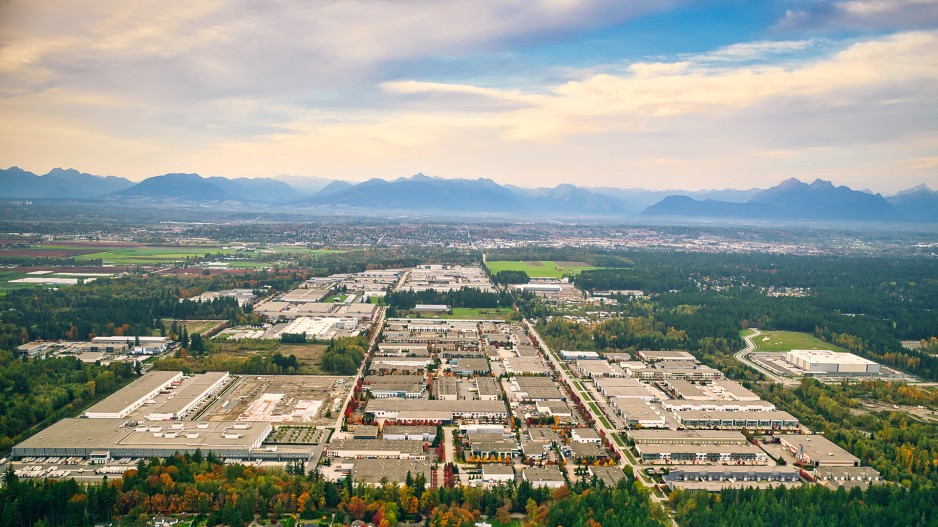
Metro Vancouver's port-related industrial demand concentrates in submarkets with direct access to the Deltaport and Centerm container terminals, the Fraser Surrey Docks, and the intermodal rail yards that connect the region to inland distribution networks.
Delta, including the Tilbury and Annacis Island areas, offers the tightest functional proximity to Deltaport. Brokerage consensus figures show Delta vacancy at 4.7% with average net asking rents around $17.91 PSF, plus additional rent typically running $6 to $7 PSF. The submarket's relatively lower rent compared to Vancouver or Richmond reflects building age and configuration in some nodes, but well-located Tilbury sites with heavy power and truck court depth command premiums above the average.
Building Specifications for Drayage and Transload Operations
Port-related industrial users have building requirements that differ from general warehousing. Transload operations, where goods are stripped from ocean containers and repalletized for domestic trucking, demand clear heights sufficient for racking, dock doors configured for rapid container unloading, and truck courts deep enough to accommodate chassis parking and container staging.
Most transload operators prefer clear heights of 28 feet or more to maximize vertical storage. Dock door ratios matter: a facility handling high container volumes may require one dock door per 5,000 to 7,000 square feet of warehouse space, whereas a typical distribution warehouse might function with one door per 10,000 square feet. Truck court depth of 120 feet or more allows tractors to maneuver with 53-foot trailers or 40-foot containers without blocking adjacent bays.
Lease Structures and Operational Flexibility
Port-related tenants often negotiate lease provisions that differ from standard industrial terms. Yard use rights, container staging permissions, and extended operating hours are common points of negotiation. Landlords in port-adjacent submarkets are generally familiar with these requirements, but tenants should confirm that the lease explicitly permits chassis storage, hazardous materials handling if applicable, and 24-hour truck access.
The typical lease structure in Metro Vancouver is triple-net, meaning the tenant pays base rent plus a proportionate share of property taxes, insurance, and common area maintenance. Additional rent in the region runs roughly $6 to $7 PSF, though this varies by building age and landlord operating costs. For a detailed explanation of these structures, see the net lease versus gross lease guide .
Read the full article
This is a condensed version. The full piece, with every figure and its source, is on samuelbrahem.com, where Samuel publishes the original.
